同济大学始终把培养拔尖创新人才作为崇高使命和责任,以本科教育为立校之本、以研究生教育为强校之路,以立德树人为根本任务,坚持全员、全过程、全方位育人,努力使每一位学生经过大学阶段的学习、熏陶以后,具有“通识基础、专业素质、创新思维、实践能力、全球视野、社会责任”综合特质,成为担当民族复兴大任、引领未来的社会栋梁与专业精英。创校至今,先后培养了38万余名毕业生,造就了一大批杰出的政治家、科学家、教育家、社会活动家、企业家、医学专家和工程技术专家。校友中当选中国科学院、中国工程院两院院士的有169人。
同济大学已建成世界规模最大的“多功能振动实验中心”、国内第一个“地面交通工具风洞中心”、国内第一个“城市轨道交通综合试验平台”、国内第一个“海底长期科学观测系统”以及教育部“自主智能无人系统前沿科学中心”“细胞干 性与命运编辑前沿科学中心”等一批重大科研平台。先后承担了一系列国家重大专项、重大工程科研攻关,取得了大跨度桥梁关键技术、结构抗震防灾技术、城市交通智能诱导、城市污水处理、新能源汽车研发、国产化智能温室、遥感空间信息、大洋钻探、心房颤动分子遗传学等标志性科研成果。
学校长期注重发挥优势学科和基础研究的溢出效应,不断拓展社会服务的形式和领域,积极为国家和地方社会建设发展作出贡献,为“一带一路”建设、国内桥梁与隧道、铁路与城市轨道交通、水环境治理、抗震救灾、洋山深水港、上海世博会、崇明生态岛、雄安新区、北京城市副中心等重大战略需求提供了强有力的科技支撑。学校与地方政府联合推动建设“环同济知识经济圈”,产值从初期2005年的不足30亿元发展到2021年的564亿元,开创了“三区融合、联动发展”校地合作的典范模式。
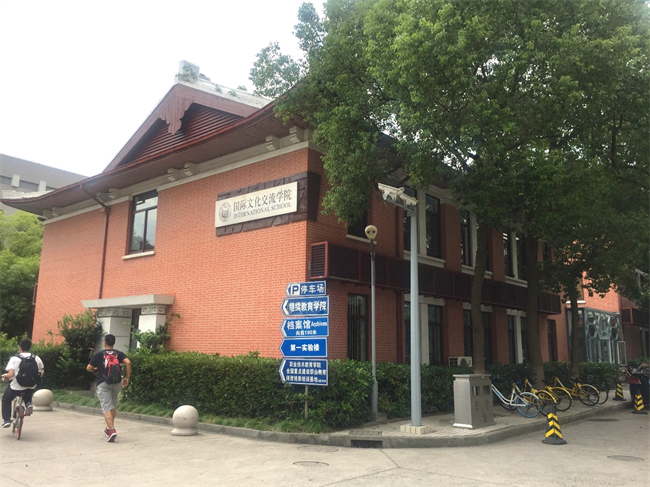
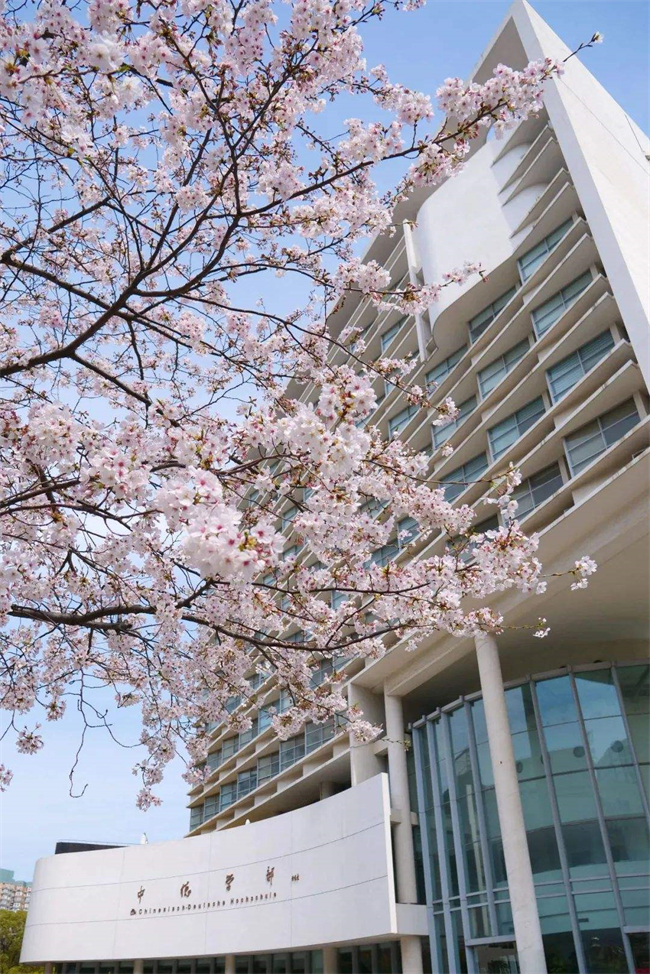
学校积极拓展国际合作,在对德为主的合作基础上,发展为以对欧洲合作为中心,拓展北美、辐射亚非的布局,先后建立了中德、中法、中意、中芬、中西、联合国等12个国际化合作平台学院,与200多所海外高校签订合作协议,与大众、西门子、拜耳和IBM等众多跨国企业共建了研究中心。学校先后发起成立了“中国绿色大学联盟”和“国际绿色校园联盟”并担任首届主席,当选联合国环境规划署全球环境与可持续发展大学合作联盟主席,是亚太地区第一所被授予“全球可持续校园杰出奖”的高校。
The University has always placed nurturing talents of the highest quality as its fundamental responsibility. The three-dimensional KAP educational principles of “Knowledge, Ability, and Personality” are deeply rooted in the undergraduate education and reinforced at the graduate level of education, aiming to ensure that every student has “a solid foundation, practical ability, creativity, global vision, and a sense of social responsibility” in order to become “the top talent who will lead sustainable development and act as the backbone of society.” Among over 300,000 graduates of the University since its founding, many are extraordinary political leaders, scientists, educators, social activists, business leaders, medical specialists, and engineering experts. Over 150 alumni are members of the Chinese Academy of Sciences and the Chinese Academy of Engineering.
Aiming to grow with China and serve the world with science and technology, the University has long focused on unleashing the spillover effect of its flagship disciplines for the greater public good, and actively contributing to the economic and social development at the national and regional level. So far, the University has provided strong technical support to some significant national strategies, including but not restricted to the Belt and Road Initiative, the fields of bridges and tunnels, railway and urban traffic, urban sewage treatment, earthquake relief work, Yangshan Port, World Expo 2010 Shanghai, the Chongming Eco-island Plan. The economic development initiative around Tongji Campus launched jointly by the local government and Tongji proved a tremendous success, with the annual GDP reaching a record high of USD 600 million in 2018.
The University has always taken an active role in expanding international cooperation. With close historical ties with Germany, it partners mainly with European universities but is also actively expanding its influence to North America, Asia, and Africa. So far, it has established 11 international cooperation platforms in partnership with Germany, France, Italy, Finland, Spain, and United Nations agencies. The University has also signed a memorandum of understanding with over 200 international universities and co-founded research centers with Volkswagen, Siemens, Bayer, IBM, and many other multinational enterprises. The University initiated the “China Green University Network (CGUN)” and the “International Green Campus Alliance (IGCA)”, and acted as the first President. It was also elected as the League President of Global Universities Partnership on Environment for Sustainability (GUPES) under the United Nations Environment Programme and became the first Asian university to win the “Excellence in Campus Award” at the meeting organized by International Sustainable Campus Network.