1. 西湖 West Lake
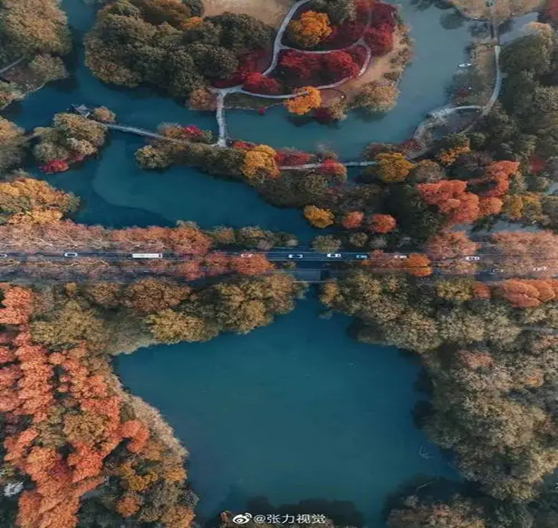
杭州西湖总面积为6.5平方公里,位于杭州市中心, 雷峰塔和保俶塔守望两端。。西湖三面环山,由白堤、苏堤和杨公堤串联的多个小湖镶嵌组合而成。孤山是西湖中最大的岛,是文物胜迹荟萃之地。2011年西湖被联合国列为世界文化遗产,西湖绝美的风光和美丽的传奇故事让游客流连忘返。
West Lake sits in the downtown of Hangzhou, totaling 6.5 square kilometers (2.5 square miles) ,with the Leifeng Pagoda and the Baochu Pagoda at its two sides.. Embraced by mountains on three sides, the West Lake knits itself into the several little lakes by the fabric of the Bai Causeway, the Su Causeway and the Yang Causeway. The Solitary Hill,the largest natural island, is famous for its history and cultural heritage. West Lake is listed as a World Cultural Heritage Site by UNESCO in 2011, for both legendary and scenery value.
2. 表演秀:印象西湖Show: Enduring Memories of Hangzhou
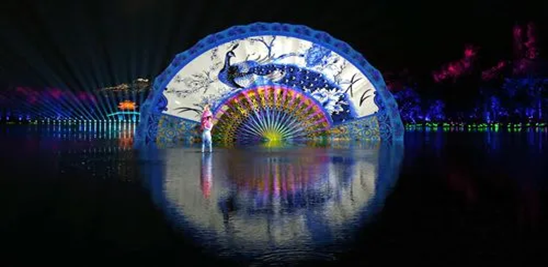
这是在西湖景区上演的大型舞蹈剧, 将西湖美景、民间传说和高科技完美融合。故事主要围绕着许仙和白娘子古老民间传说,以及梁山伯与祝英台之间悲伤的爱情故事。整场表演剧由相遇、相爱、告别、回忆和印象5幕组成。荡气回肠的故事,精彩的舞蹈、悠扬的音乐和美妙的灯光都促成了美轮美奂的叙事效果,东方爱情被完美诠释。
It is a large-scale performance in the West Lake Scenic Area, a fine synergy of scenery, legend and modern technology. It focuses on the ancient folklore between Xu Xi'an and Bai Suzhen, and the sad love story between Liang Shanbo and Zhu Yingtai. It consists of five acts: encounter, falling in love, farewell, memory, and impression. The moving romances, wonderful dance, melodious music, and fabulous lighting contribute to the elegant rendering of the performance.
3. 飞来峰 The Grottoes of Feilai Peak
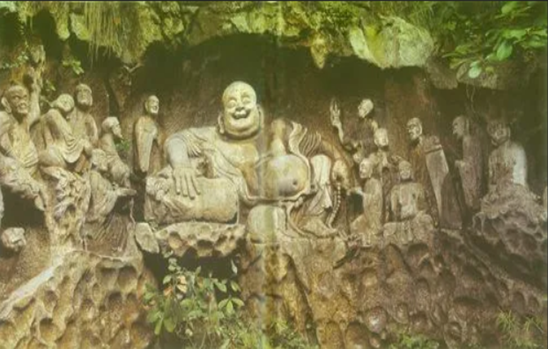
飞来峰是一座钟乳石结构的山峰。其面朝灵隐寺的山坡上,遍布五代以来的佛教石窟造像,多达三百四十余尊,其中的西方三圣像(五代)、卢舍那佛会浮雕(北宋)、布袋和尚(南宋)、金刚手菩萨、多闻天王、男相观音(均为元代),都是不可多得的艺术珍品。飞来峰多岩溶洞壑,如龙泓洞、玉乳洞、射旭洞、呼猿洞等,洞洞有来历。
Feilai Peak, literally, “Peak flying from afar”, is located near Lingyin Temple. Its name is also related to a legend that the peak was thought to have flown from India, a manifestation of the omnipotence of Buddhism. The charm of the legendary peak is from the over 470 stone statues carved on its hillsides and riverbanks between the 10th and 14th centuries, 335 of the 470 Buddhist carvings are relatively well preserved. Feilai Peak Buddhist Grottoes are representatives of local Buddha culture over thousand years’ history.
4. 阿里巴巴总部 Alibaba Headquarter in Hangzhou
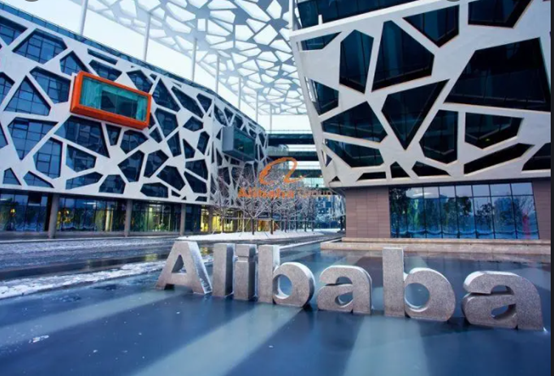
杭州阿里巴巴总部的设计理念彰显开放式办公和人文关怀。作为中国电子商务的领军企业,在国内外市场都占有巨大的份额,同时也积极发起和参与各种公益活动。园区承载着约9千多名员工的工作、交流等多功能需求,是阿里巴巴活力、创新的重要保障。
Alibaba Headquarter in Hangzhou is a high-notch campus-like workplace, providing 150,000 square metres of flexible open plan office space within a campus style layout. Alibaba is China’s leading e-commerce company and runs the world’s largest online marketplaces in international and domestic trade. Alibaba has been actively initiated and participated in various public services The dynamic campus accommodates approximately 9,000 Alibaba employees and boosts the communication, diversity and vitality with the group.
5. 大运河拱宸桥—小河直街景区 Grand Canal and Xiaohe Street
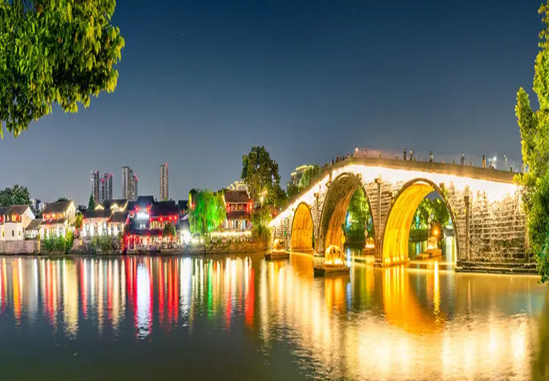
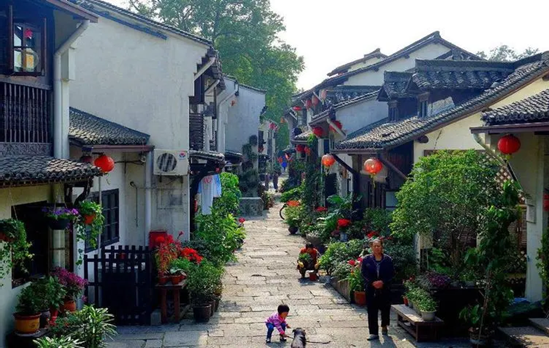
拱宸桥矗立在京杭大运河至上,是杭州最大的石拱桥,始建于明代。大运河小河直街紧邻大运河拱宸桥段,是著名的步行风情街。凭借绝佳的地理位置,晚清时期的小河直街作为商贸中心和货运码头繁华一时。现在街两边的建筑依然保持原有的传统的风格,一楼大多为临市的特色小店,二楼为居民住宅,是江南闹市区民居的典型代表。
Gongchen Bridge is one of the oldest and greatest bridge crossing over the Beijing-Hangzhou Grand Canal, built in 1631. Xiaohe Historical Street is flanked by traditional South-China-style business and residential houses. Due to it favorable location neighboring Grand Canal, Xiaohe Historical Street was the trade hub during the late Qing Dynasty (1636-1911), and evolved into a bustling marketplace and a key wharf for barges traffic. Now, it is lined with local products, handicraft workshops, teahouses and restaurants, still kept in the original two-floored residential houses. It is a typical example of urban commercial street block, bustling as usual along the Yangtze River Delta.
6. 良渚博物馆
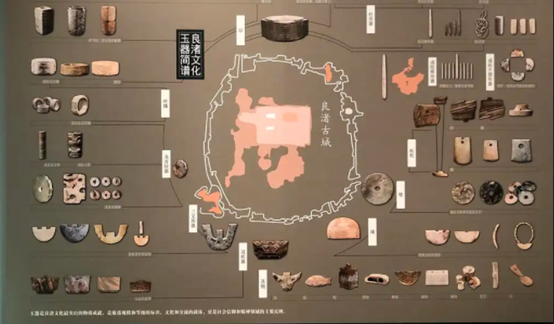
良渚文化是太湖流域古文化的一个分支,距今已经有五千年。良渚考古遗址展现了从小规模的新石器时代社会向具有等级、仪式和工艺的大型综合政治单位的过渡时期社会状况。其中包括早期城市化的杰出例子,表现在泥土纪念碑、城市和景观规划、社会等级表现在墓地内财产的埋葬差异、空间组织的社会文化战略和权力的物化。它证明了中国5000多年前史前稻作文明的伟大成就,修建水坝的早期城市文明的杰出典范。在良渚文化时期中,不管是农业还是手工业,都呈现较为发达的迹象。整个良渚文化分为石器时期、玉器时期和陶器时期。
The Archaeological Ruins of Liangzhu City has existed for 5000 years,revealing a prehistoric early state and urban civilization in the Yangtze River Basin with rice-cultivating agriculture as its economic base, and social differentiation and a unified belief system, which existed in the Late Neolithic period in China. The Archaeological Ruins of Liangzhu illustrates the transition from small-scale Neolithic societies to a large integrated political unit with hierarchy, rituals and crafts. It includes outstanding examples of early urbanization expressed in earthen monuments, city and landscape planning, social hierarchy expressed in burial differentiations in cemeteries within the property, socio-cultural strategies for organization of space, and materialization of power. It represents the great achievement of prehistoric rice-cultivating civilization of China over 5000 years ago, and as an outstanding example of early urban civilization. In the ancient Liangzhu state, agriculture and handicraft showed obvious developing signs. The whole Liangzhu culture could be roughly divided into stone period, jade period and pottery period.
7. 杭州国家版本馆Hangzhou branch of the National Archives of Publications and Culture
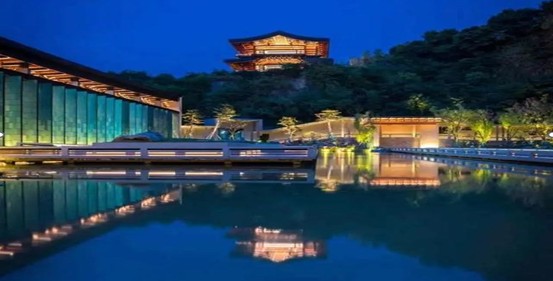
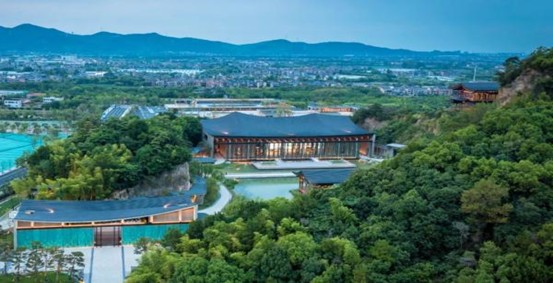
坐落于世界遗产良渚古城遗址附近的杭州国家版本馆,又名“文润阁”,由废弃的矿山化身而来,借助天然山脉水系藤蔓树木将宋韵气质与在地风貌完美融合,体现传统与现代的融合。杭州国家版本馆的设计风格秉承宋代文化和江南文化。其核心功能为保藏、展示、研究和交流,是集图书馆、博物馆、美术馆、档案馆、展览馆等多种场馆功能于一体的综合性场馆。杭州馆属于中国国家版本馆的重要组成部分,是江南特色版本库和华东地区版本资源集聚中心,收藏和展示江南文化的精髓。
Located near the Archaeological Ruins of Liangzhu covering with an area of 103,100 square meters, Hangzhou Archives, also known as "WENRUN Museum", is a modern architecture built on an abandoned mine. With natural mountains, water systems, and trees, it perfectly integrates the style of Song Dynasty with the local landscape, rendering the beauty of tradition and modernity. Based on the culture of Song Dynasty and South-China culture, the Archive’s core functions are preservation, exhibition, research and communication, integrating the functions of libraries, museums, art galleries, archives, exhibition and others. Hangzhou Archive, as an important member of China’s four national archives, intends to hold and display the best collections of tangible and intangible heritage.
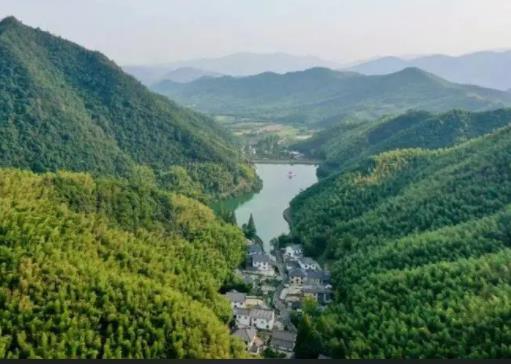
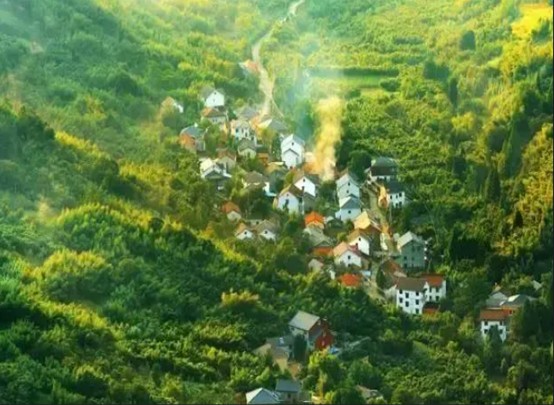
8. 美丽乡村 A suburb village