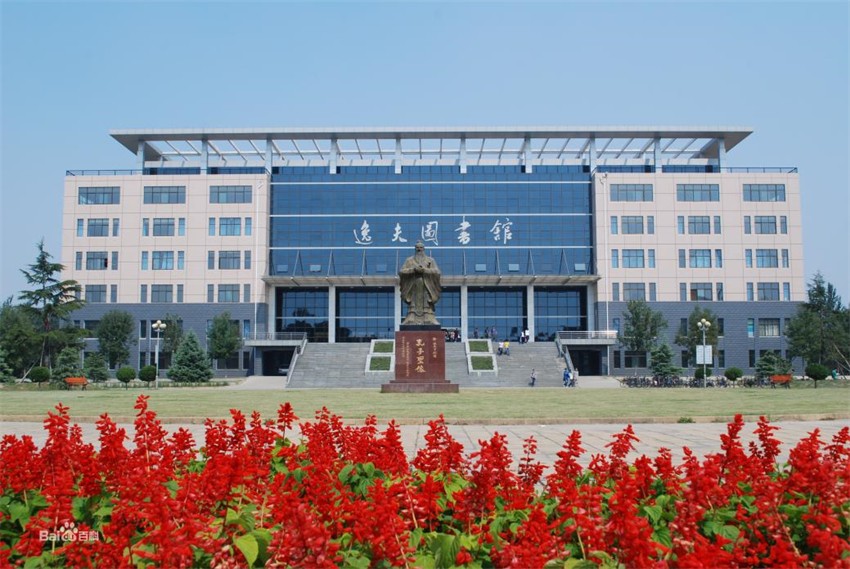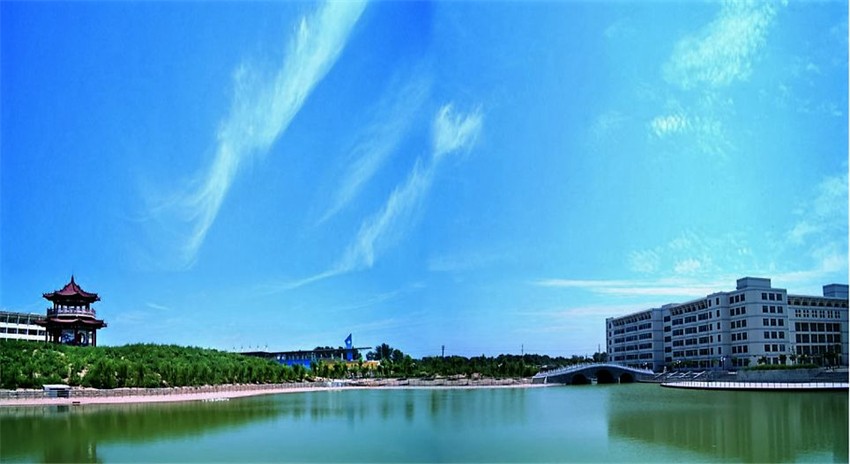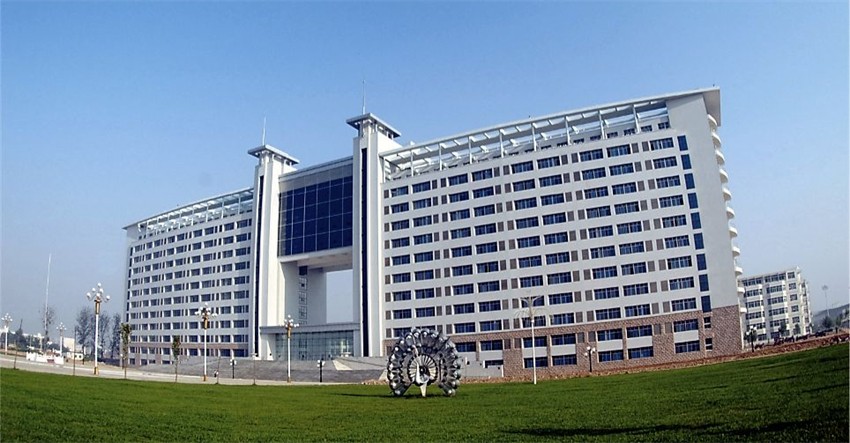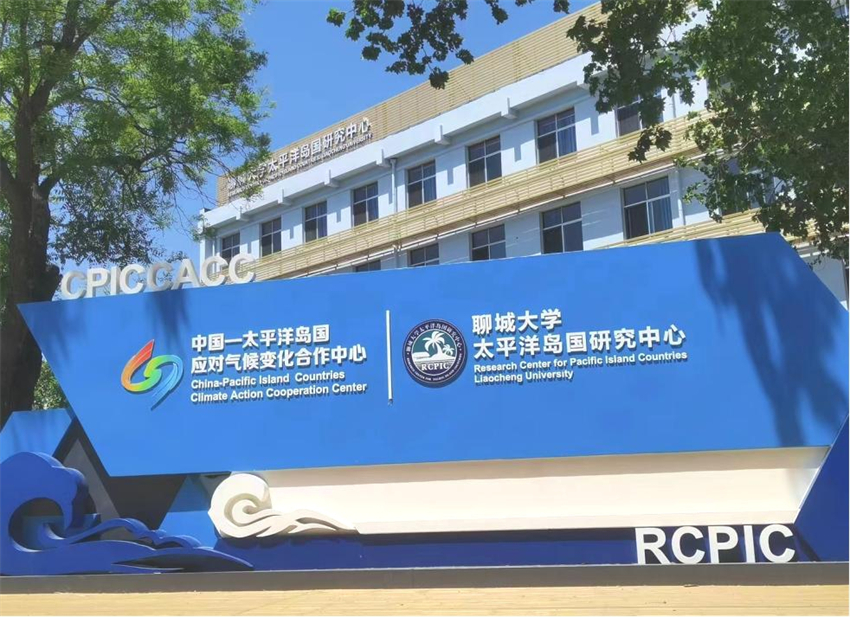
Research Center for Pacific Island Countries,Liaocheng University聊城大学太平洋岛国研究中心
As the first Pacific island countries research institution founded in 2012 in China, Research Center for Pacific Island Countries at LCU aims to enhance the understanding and friendship between Chinese people and the Pacific island countries through coordinating multi-lateral academic research, so as to promote the friendship and economic cooperation between China and the Pacific island countries.
聊城大学太平洋岛国研究中心成立于2012年9月,是中国第一个独立建制的太平洋岛国研究机构,旨在通过严谨扎实的学术研究,增进中国人民与太平洋岛国人民之间的了解和友谊,推动中国与太平洋岛国的友好合作和经贸往来。
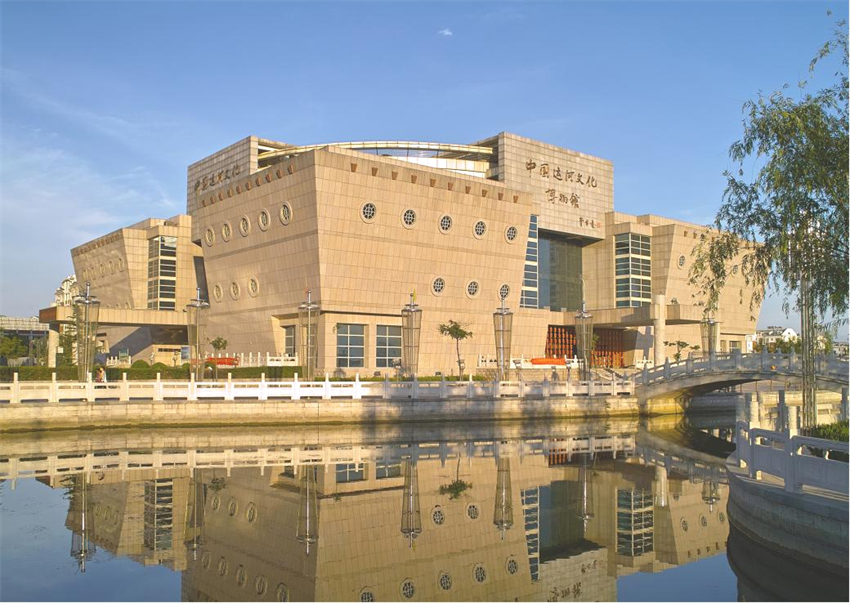
China Canal Culture Museum中国运河文化博物馆
China Canal Culture Museum (Liaocheng) is a large-scale, comprehensive museum integrating cultural relics collection, protection, research, display, publicity and education. It is also the first large-scale, special-purpose museum themed with canal culture in China. The museum has a construction area of 16,000 square meters and a display area of nearly 7,000 square meters. With the theme of “Canal promotes history, Canal changes life”, the museum hosts an overall display aiming to collect, protect and study the canal culture in an all-round and multi-angle way, and reflect and display the ancient history, natural features, and folk customs of the Grand Canal and world canals.
中国运河文化博物馆是集文物收藏、保护、研究、陈列、宣传教育于一体的大型综合类博物馆,也是国内第一座以运河文化为主题的大型专题博物馆。博物馆建筑面积1.6万平方米,陈列面积近7,000平方米。整体陈列以“运河推动历史,运河改变生活”为主题,旨在全方位、多角度地收藏、保护和研究运河文化,反映和展示运河的古老历史、自然风貌和民俗风情。
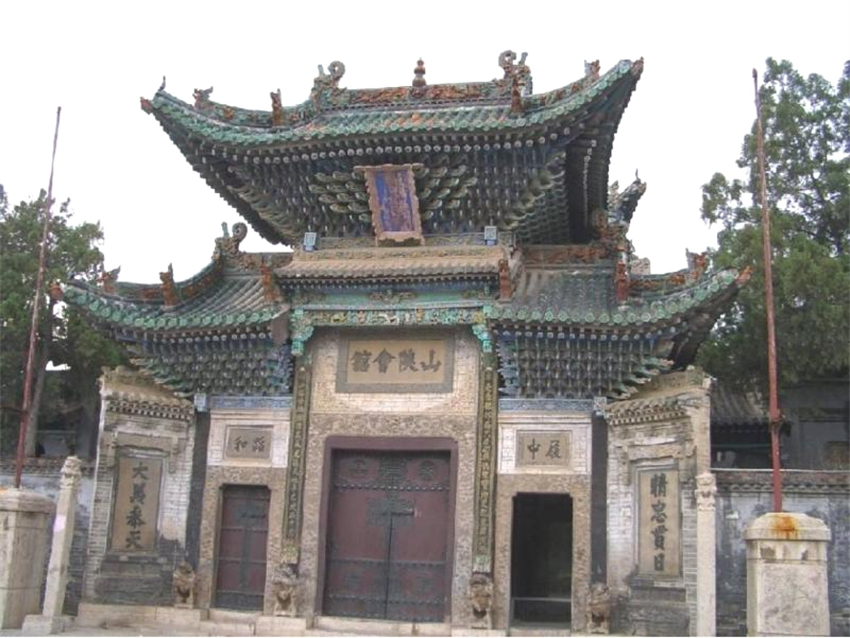
Shanshaan Guild Hall山陕会馆
Built in the eighth year of Emperor Qianlong (1743), Liaocheng Shanshaan Guild Hall covers an area of 3,311 square meters. It is the epitome and witness of the commercial prosperity of Liaocheng in the Qing Dynasty. The whole building complex, a total of more than 160 pavilions, includes the main gate, the pass building, opera building, left and right mezzanines, bell tower and drum tower, north and south buildings, God Guan Hall, and Spring and Autumn Pavilion. The architectural sculpture and painting art of Liaocheng Shanshaan Guild Hall are rare among the existing guild halls in China. In 1988, it was listed as a national cultural relic by the State Council.
聊城山陕会馆始建于乾隆八年(1743年),占地面积3,311平方米,是清代聊城运河商业繁荣的缩影和见证。整个建筑包括山门、过楼、戏楼、左右夹楼、钟鼓二楼、南北看楼、关帝大殿、春秋阁等部分,共有亭台楼阁160多间。在中国现存的会馆中,聊城山陕会馆的建筑雕刻和绘画艺术国内罕见。1988年,被国务院列为全国重点文物保护单位。
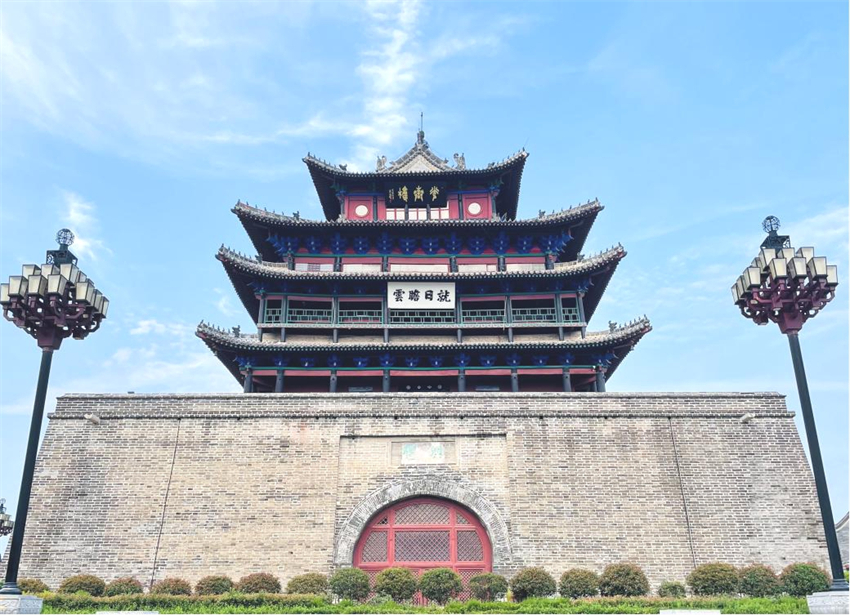
Guangyue Pavilion光岳楼
Located in the center of the ancient city of Dongchangfu District, Liaocheng City, Guangyue Pavilion was first built in the seventh year of Hongwu of the Ming Dynasty (1374 AD). The building is an ancient and magnificent wooden pavilion, which is a representative architecture in the transition from Song and Yuan Dynasties to Ming and Qing Dynasties. It plays an important role in the history of ancient Chinese architecture and enjoys the equal reputation as Yueyang Pavilion and Yellow Crane Pavilion. In 1988, Guangyue Pavilion was listed as a national cultural relic.
光岳楼位于山东省聊城市东昌府区古城中央,始建于明洪武七年(公元1374年)。该楼为古老雄伟的木构楼阁,是宋元建筑向明清建筑过渡的代表作,在中国古代建筑史上具有重要地位,享有 “虽黄鹤、岳阳亦当望拜”之誉。1988年光岳楼被列为国家重点文物保护单位。
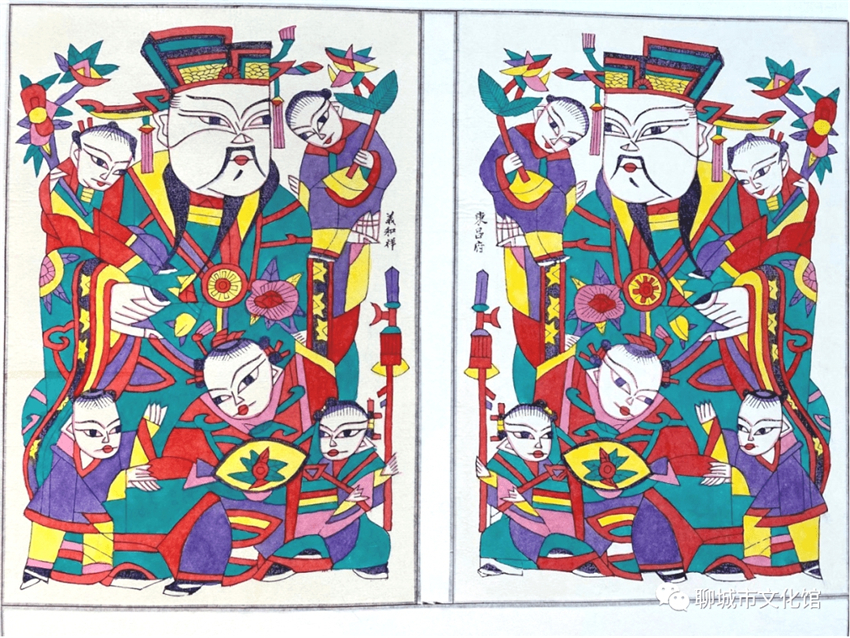
Dongchang Woodblock Printing东昌府木版年画
Dongchang woodblock printing, together with Weifang Yangjiabu woodblock printing, is regarded as an art treasure of Chinese folk art as well as the art system of Shandong woodblock printing. With a history of 300 years, Dongchang woodblock printing is an integration of new year celebration printings and menshen (door God who guards the doors) printings. Characterized with simple composition and strong overall sense, narrow and long eyes, thin and narrow nose bridge and nose wing, strong, smooth, and round lines, straight and soft arc, soft, bright and simple colors, Dongchang woodblock printing was listed as national intangible cultural heritage in 2008.
东昌府木版年画与潍坊杨家埠年画并称为中国民间艺术宝库的艺术奇葩,代表着山东木版年画的东、西两大系统。东昌府木版年画制作已有近300年历史,具有年画、门神画合为一体的特点。东昌府木版年画构图简洁,整体感强;人物造型眼形窄长,鼻梁鼻翼瘦窄,形象丰满质朴;线条刚劲、流畅、圆润,弧中有直,柔中有刚;色彩柔和、鲜明、古朴。2008年,东昌府木版年画被列入第二批国家非物质文化遗产名录。
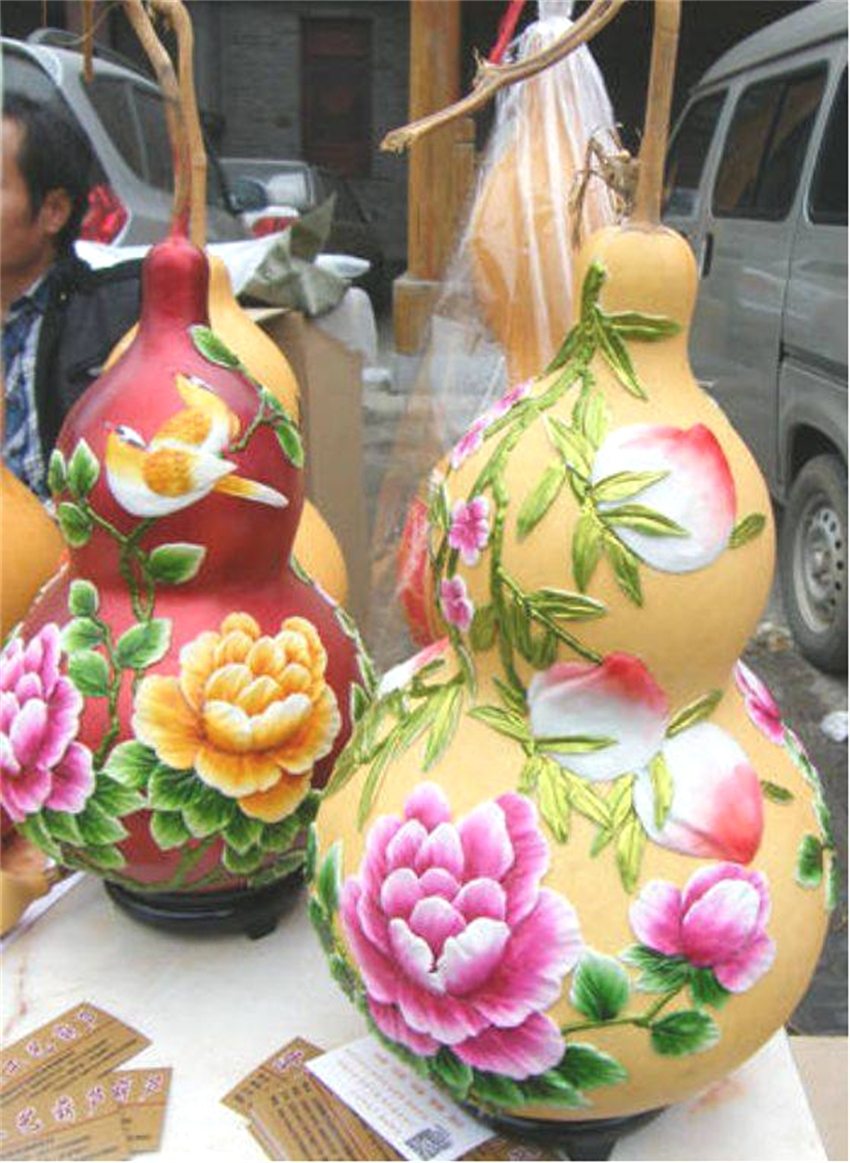
Dongchang Gourd Carving东昌葫芦雕刻
As a traditional art of Shandong province, Dongchang gourd carving craft is spreading in Liaocheng City, particularly in Tangyi Town, Liangshui Town, Yansi Sub-District Office, and Xinji Town. Highlighted with exquisite materials, skilled carving works, smooth lines, rich patterns, and perfect workmanship, Dongchang gourd carving is characterized with a distinct regional art combining elegant modeling techniques with realistic art skills to form a unique art system. In 2008, Dongchang gourd carving was listed as national intangible cultural heritage.
东昌葫芦雕刻是山东省传统美术,工艺流传在山东省聊城市,其分布以东昌府区堂邑镇为中心,遍及梁水镇、闫寺办事处和今冠县辛集镇等地区。东昌葫芦雕刻用料考究,刻工纯熟,线条流畅,图案丰富,制作精良,呈现出鲜明的地域特色。东昌葫芦雕刻将典雅的造型技巧与写实手法相结合,形成了一套完整的艺术体系。 2008年,东昌葫芦雕刻列入第二批国家级非物质文化遗产名录。
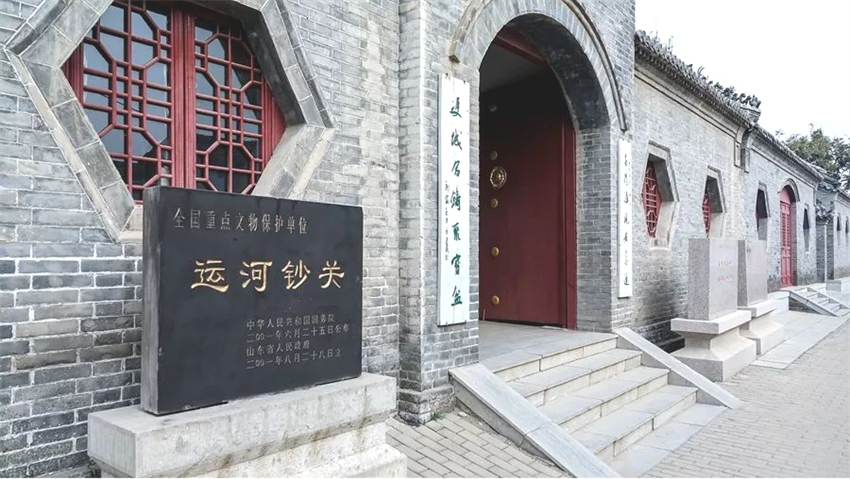
Linqing Canal Pass临清运河钞关
Linqing Canal Pass is located in the old city of Linqing, beside the Ming Dynasty Huitong River in the city. Set up by the central government of Ming and Qing dynasties, it is today the only remaining canal pass in China. Founded first in the fourth year of Xuande in the Ming Dynasty (1429), it once ranked first among the eight canal passes in China, and once accounted for a quarter of the national revenue. Of great value to the study of the history, social politics, economy, culture and urban development at that time, Linqing Canal Pass is especially the important material data on the history of grain transport, social and economic relations and social forms in feudal China. It is now a key national cultural relic under protection.
临清运河钞关位于临清市老城区内明代会通河旁,是明清两代中央政府设置的运河督理漕运税收的直属机构,也是中国现在仅存的一处运河钞关。钞关始设于明宣德四年(1429),居全国八大钞关之首,曾占全国税收的四分之一,对研究当时的历史、社会政治、经济、文化及城市发展均具重要价值,尤其是研究漕运历史、封建社会经济关系、社会形态的重要实物资料。现为全国重点文物保护单位。
Linqing Turtle Rock临清鳌头矶
Historically Linqing was the junction of Huitong River and Tonghui River, and even today canal sections and ancient sluice and bridges are still abundant across the city. Located at the junction of the Yuan Dynasty Canal and the Ming Dynasty Canal, Turtle Rock is actually a group of ancient buildings surrounded by pavilions with exquisite structure and elegant simplicity as a typical wooden structure complex in the northern region of the Ming Dynasty and a historical witness of Linqing during the prosperous period of the canal economy. Turtle Rock was listed as key national cultural relic under protection.
临清是会通河和通惠河的连接处,城内存有多段运河和古闸桥。鳌头矶位于临清市元代运河与明代运河的结合处,现尚存古建筑一组,周围楼阁环抱,结构精巧、古朴典雅,是明代北方地区典型的木结构建筑群,也是运河繁荣时期临清的历史见证。现为全国重点文物保护单位。