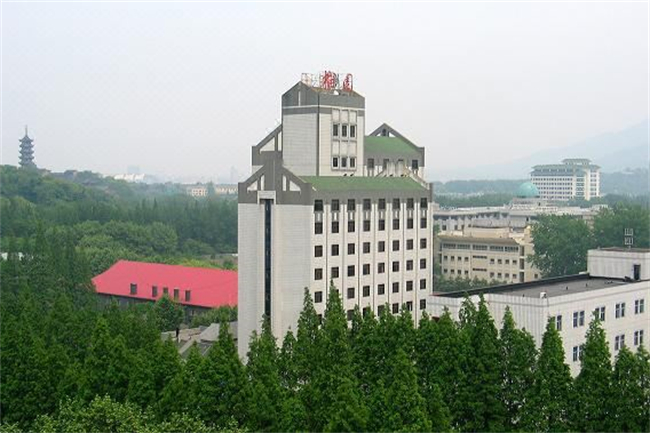
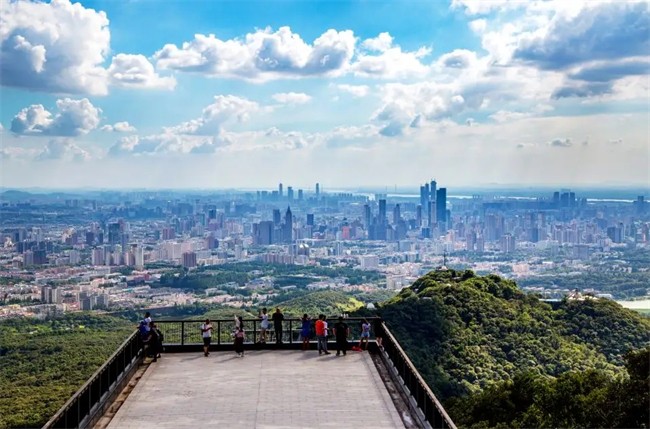
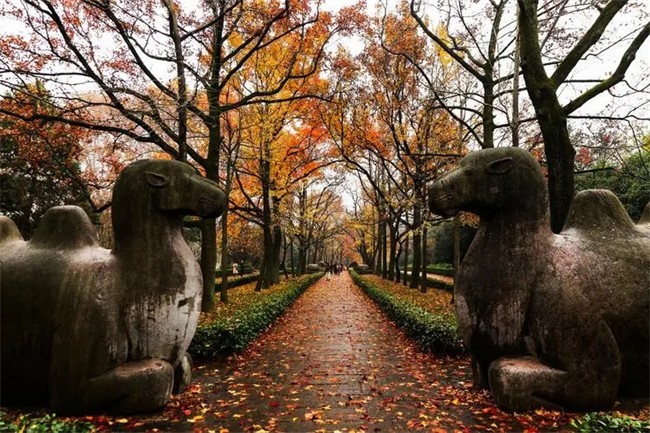
紫金山位于南京市玄武区东郊,又称钟山,自古被誉为江南四大名山,有"金陵毓秀"的美誉,是南京名胜古迹荟萃之地,全国生态文化示范地、世界文化遗产所在地、首批国家AAAAA级旅游景区钟山风景名胜区位于钟山南麓。
紫金山囊"六朝文化、明朝文化、民国文化、山水城林文化、生态休闲文化、佛教文化系列于一山之中,是为"中华城中人文第一山"。紫金山周围名胜古迹甚多,是了解中国历史、传统文化,欣赏江南自然风光的绝佳选择之一。
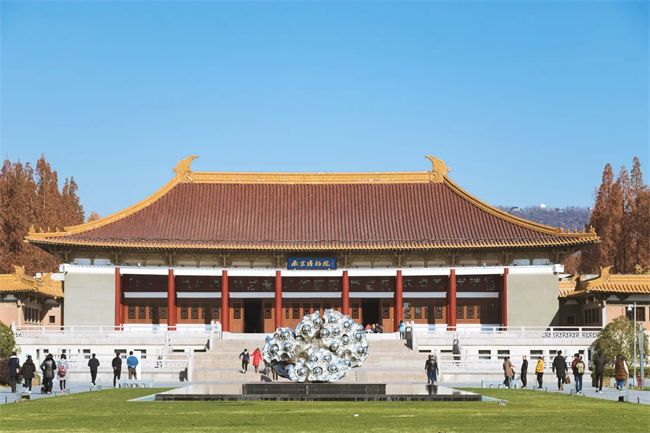
南京博物院是中国三大博物馆之一,中国最早创建的博物馆,由历史馆、艺术馆、特展馆、数字馆、民国馆和非遗馆组成。馆内藏品42余万件,各式名贵珍品,不仅是参观用途,也有着历史发掘、研究的意义。
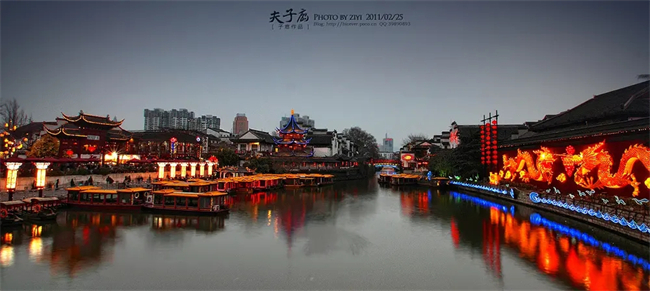
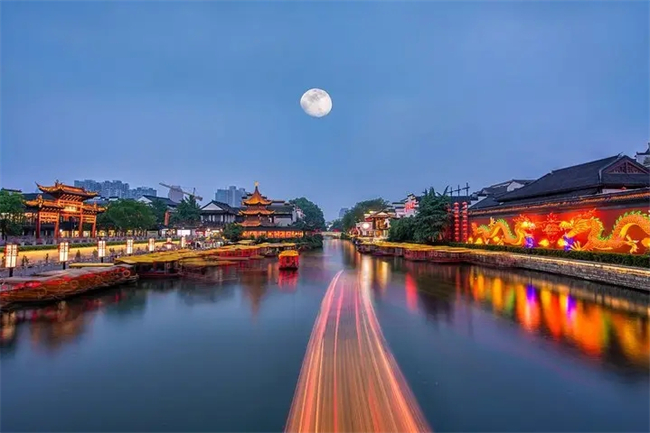
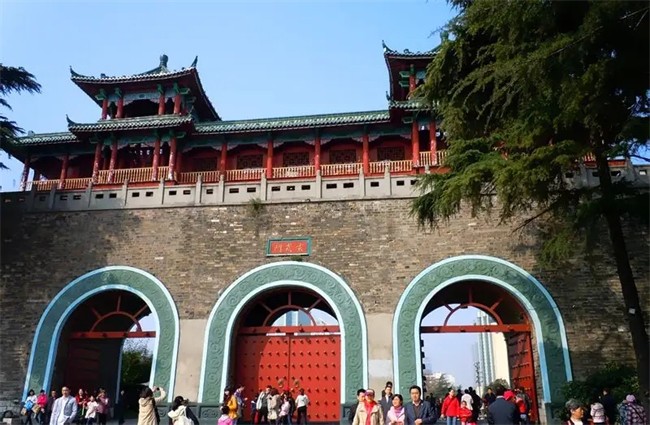
夫子庙是一组规模宏大的古建筑群,历经沧桑,几番兴废,是供奉和祭祀孔子的地方,中国四大文庙之一,被誉为秦淮名胜而成为古都南京的特色景观区,也是蜚声中外的旅游胜地,是中国最大的传统古街市。夫子庙不仅是明清时期南京的文教中心,同时也是居东南各省之冠的文教建筑群。
在这里,可以欣赏江南的传统建筑群体,也可以夜游秦淮,听一听江南诗人门唐诗宋词背后的故事,同时也可以观赏到当代中国的市井繁华。
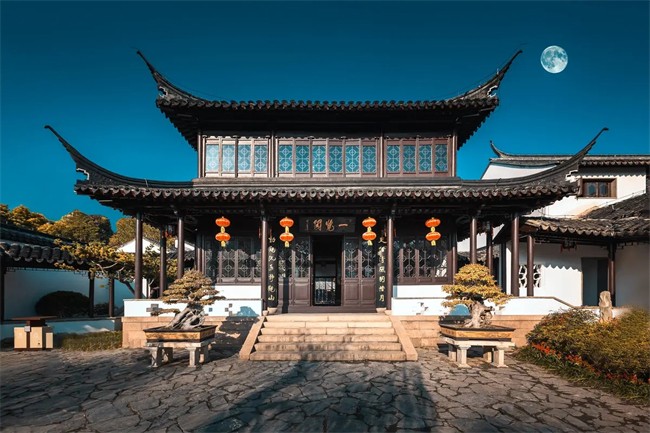
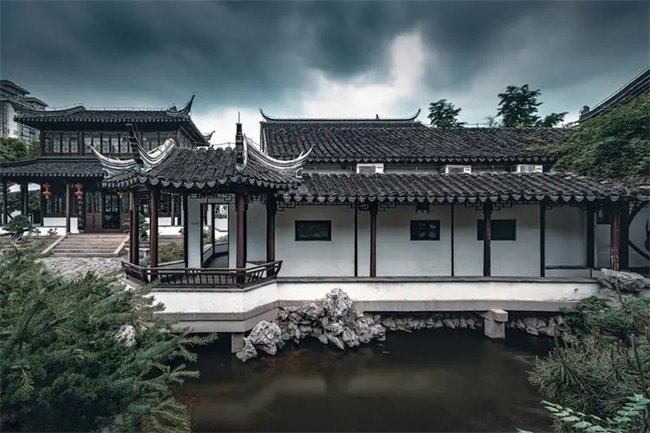
南京瞻园是南京现存历史最久的一座园林,已逾600高龄。位于南京市瞻园路208号,又称太平天国历史博物馆。明初,朱元璋因念功臣徐达“未有宁居”,特给中山王徐达建成了这所府邸花园,现仍留存的石矶及紫藤。
1960年,我国著名古建专家刘敦桢教授主持瞻园的恢复整建工作,不仅保留了原有的格局特点,而且还充分地运用了苏州古典园林的研究成果,推陈出新,创造性地继承和发展了我国优秀的造园艺术。在这里感受传统园林的艺术,穿上传统中国汉服,仿佛穿越到历史长河中的金陵城。
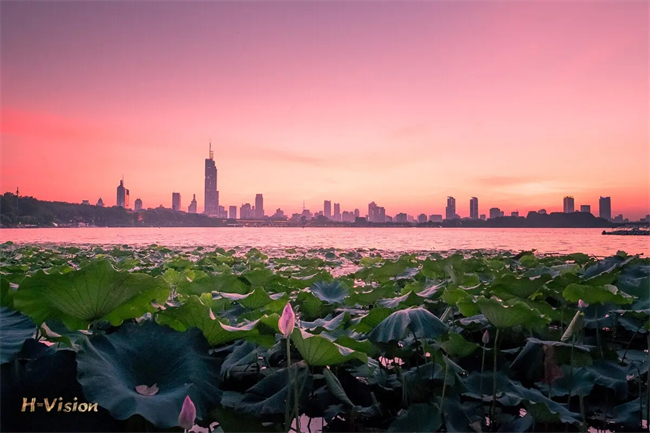
玄武湖位于南京市玄武区,东枕紫金山、西靠明城墙、北邻南京站、南倚覆舟山,是江南地区最大的城内公园,也是中国最大的皇家园林湖泊、仅存的江南皇家园林,被誉为“金陵明珠”,又称后湖、北湖。玄武湖的人文历史最早可追溯至先秦时期,在这里还可以欣赏到接天莲叶无穷碧的夏日美景。
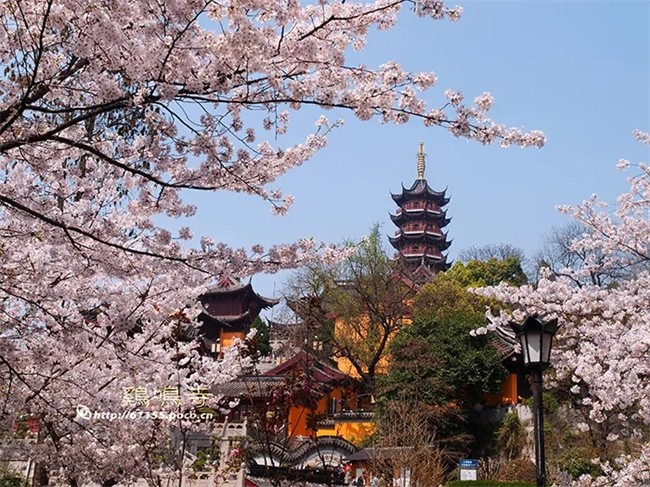
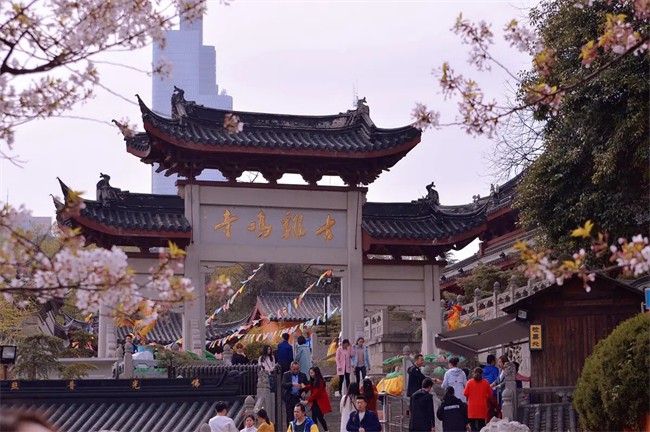
鸡鸣寺(Jiming Temple)位于南京市玄武区鸡笼山东麓山阜上,又称古鸡鸣寺,始建于西晋永康元年(300年),已有一千七百多年的历史,是南京最古老的梵刹和皇家寺庙之一,香火一直旺盛不衰,自古有“南朝第一寺”,“南朝四百八十寺”之首的美誉,南朝时期与栖霞寺、定山寺齐名,是南朝时期中国的佛教中心。
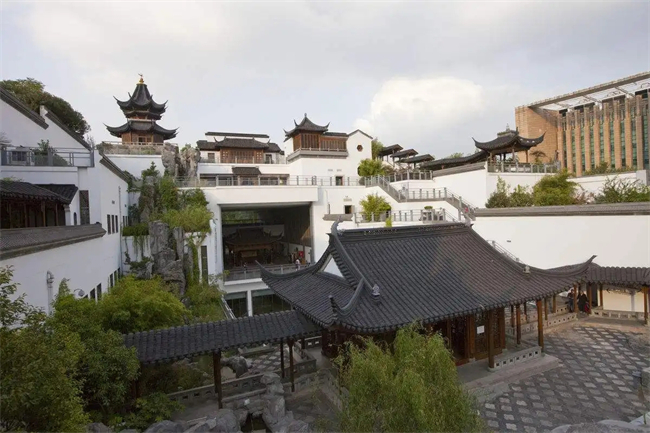
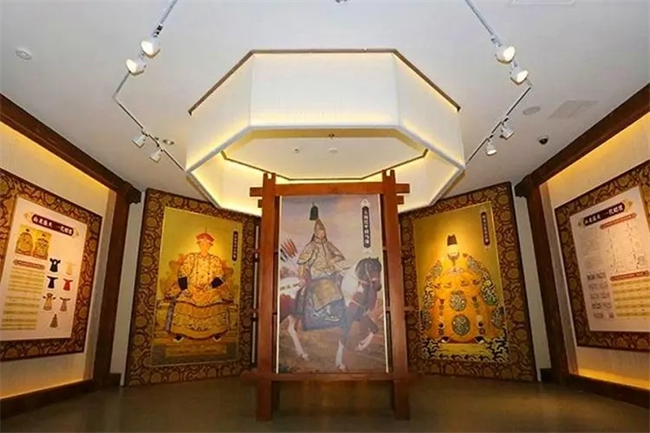
江宁织造博物馆位于南京市中心大行宫地段,是在江宁织造旧址上建造的一座现代博物馆。它涉及江宁织造府本身的历史,织造府所辖之织造局的云锦生产历史,以及与织造府有密切关联的历史巨着《红楼梦》及其作者曹雪芹及曹氏家族的兴衰史。
Zijin Mountain is located in the eastern suburbs of Xuanwu District, Nanjing, also known as Zhong Mountain, which is one of the four famous mountains in Jiangnan -- regions in the south of the Yangtze River since ancient times. Zijin Mountain has the reputation of "Jinling extraordinary". It is the place where Nanjing's famous scenic spots and monuments are gathered.
Zijin Mountain embraces cultures of six Dynasties, Ming Dynasty, Republic of China, landscape, city and forest, ecological leisure and Buddhist, which is the "first cultural mountain in Chinese city". Surrounded by Scenic Spots and Historical Sites, Zijin Mountain is one of the best places to learn about Chinese history, traditional culture and enjoy the natural scenery of Jiangnan -- regions in the south of the Yangtze River.
The Nanjing Museum is one of the three major museums in China, which is the first museum established in China. It consists of a history museum, an art museum, a special museum, a digital museum, a museum of Republic of China and an intangible cultural heritage museum. The museum's collection of more than 420,000 pieces and various valuable treasures is not only for visiting, but also for historical discovery and research.
Confucius Temple is one of the four major Confucius' temple in China, and is known as one of the most famous scenic spotsand has become a characteristic landscape area of the ancient capital Nanjing, as well as a famous tourist destination in the world. It was not only the cultural and educational center of Nanjing during the Ming and Qing dynasties, but also the largest cultural and educational complex in the southeastern provinces of China. Here, you can enjoy the traditional architectural groups of Jiangnan, or you can take a night tour of Qinhuai River and get to know some stories of the Tang poems and Song lyrics of the poets from Jiangnan, when enjoy the bustle of modern China at the same time.
Nanjing Zhanyuan Garden is one of the oldest gardens in Nanjing which has a history over 600 years. Located at 208 Zhangyuan Road in Nanjing, it is also known as the History Museum of Taiping Heavenly Kingdom. At the beginning of Ming Dynasty, Zhu Yuanzhang built this residence garden for Xu Da, the King of Zhongshan. The stone islets and wisteria still remain here.
In 1960, Professor Liu Dunzhen, a famous expert in ancient architecture in China, presided over the restoration and renovation of Zhangyuan Garden, which not only preserved the features of original pattern, but also fully utilized the research achievements of Suzhou Traditional Garden, creatively inheriting and developing the excellent art of gardening in China. Enjoy the art of traditional gardens here and put on traditional Chinese Costume Hanfu, as if take a trip in the ancient city of Jinling in history.
Xuanwu Lake is located in Xuanwu District of Nanjing, with Purple Mountain in the east, Ming Dynasty City Wall in the west, Nanjing Station in the north and Fuzhou Mountain in the south. It is the largest urban park in Jiangnan, the largest royal garden lake in China and the only remaining royal garden in Jiangnan. It is known as the "Pearl of Jinling", also known as the Back Lake and the North Lake. The cultural history of Xuanwu Lake can be traced back to the pre-Qin Dynasty period. It is also a place where you can enjoy the beautiful summer scenery of endless lotus leaves.
Jiming Temple, also known as Ancient Jiming Temple, is located at the eastern of Jilong Mountain in Xuanwu District, Nanjing. It was built in the first year of Yongkang in the Western Jin Dynasty (300 years) and has a history of more than 1,700 years. It is one of the oldest Sanskrit and royal temples in Nanjing. As the first temple among hundreds of thousand temples in the Southern Dynasty, it was the center of Buddhism at that time.
Jiangning Imperial Silk Manufacturing Museum is a modern museum built on the site of the former Jiangning Imperial Silk Manufacturing House, located in the Daxinggong area of downtown Nanjing. It deals with the history of the Jiangning Imperial Silk Manufacturing House itself, the history of brocade production in the Imperial Silk Manufacturing Bureau under the jurisdiction of the House, and the historical masterpiece "A Dream in Red Mansions" which is closely related to the House, as well as the history of the rise and fall of Cao Xueqin and his family