The Liangzhu ancient city: https://v.qq.com/x/page/a3207o1tmmr.html
良渚古城:https://v.qq.com/x/page/a3207o1tmmr.html
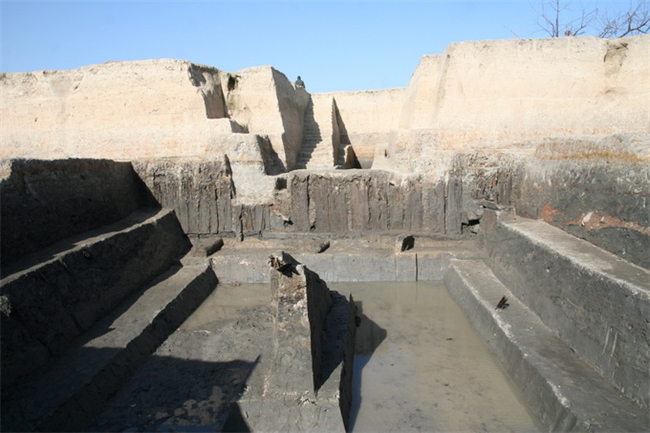
The Liangzhu ancient city, the core of Liangzhu site, embodies the cultural characteristics of the influence of ritual institutions, in particular through types, functions, ornamentation, and the system of using jade excavated from the Fanshan Cemetery. Reflecting both cultural meanings and prduction skills, the Liangzhu jade wares, especially the most classic pattern of “god, human, and beast face pattern” displayed in the “King of Jade Wares” (Congwang) excavated from the Fanshan cemetery, exhibit the belief characteristics of agricultural civilizations in the Twin Rivers Valley of China. The Liangzhu site represents the most magnificent achievements of rice agriculture of the Chinese civilization and the Liangzhu culture exerts a broad and far-reaching impact on the development of Chinese civilization for over 5000 years. It showcases the characteristics of the pluralistic integration of Chinese civilization and it has been well preserved until today. The Liangzhu ancient city is an outstanding prehistoric settlement site representative of East Asian culture and the history of human civilization.
良渚遗址的核心良渚古城遗址,以反山墓地出土玉器的类型、功能、纹饰与用玉制度,体现了文化特性——礼制的影响。它的出土玉器无论是文化含义还是制作技艺,特别是反山墓地“琮王”所展现的良渚玉器最为经典的纹饰“神人兽面纹”,展现出中国两河流域农耕文明的信仰特征。良渚遗址代表了中华文明起源阶段稻作农业的最高成就,并经由它所代表的良渚文化对其后五千年的中华文明发展拥有广泛而深远的影响,可实证中华文明的发展特征——多元一体,并真实、完整地保存至今,它是人类文明发展史上具有杰出代表性的东亚地区史前大型聚落遗址。
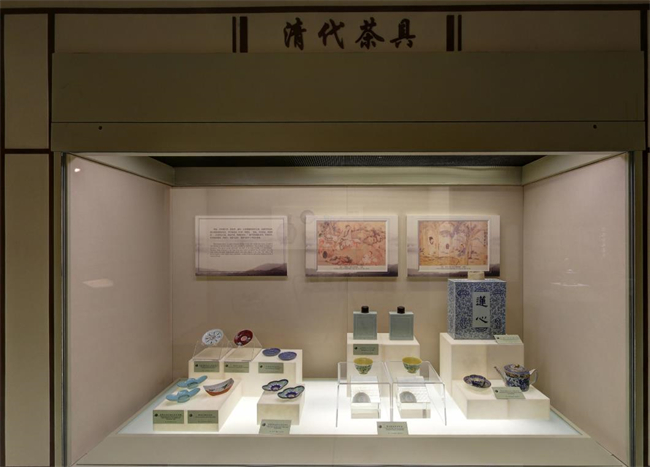
China National Tea Museum: http://audio.taoart.com/fullview/cb/2/
中国茶叶博物馆:http://audio.taoart.com/fullview/cb/2/
Located in Hangzhou, the China National Tea Museum is the only national museum in China that focusing on tea and tea culture. Consists of Shuangfeng and Longjing divisions, the total building area of the two divisions covers about 13000 square meters. Integrating cultural display, popular science publicity, scientific research, academic exchange, tea art training, interactive experience, and tea tasting, the China National Tea Museum is the center for exhibition and exchange of Chinese and world tea culture.
中国茶叶博物馆位于杭州,是我国唯一以茶和茶文化为主题的国家级专题博物馆。目前,中国茶叶博物馆分为两个馆区,双峰馆区位于龙井路88号,占地4.7公顷,1991年4月对外开放;龙井馆区位于翁家山268号,占地7.7公顷,2015年5月对外开放。两馆建筑面积共约1.3万平方米,集文化展示、科普宣传、科学研究、学术交流、茶艺培训、互动体验及品茗、餐饮、会务、休闲等服务功能于一体,是中国与世界茶文化的展示交流中心,也是茶文化主题旅游综合体。
The Grand Canal (Hangzhou Section)
京杭大运河(杭州段)
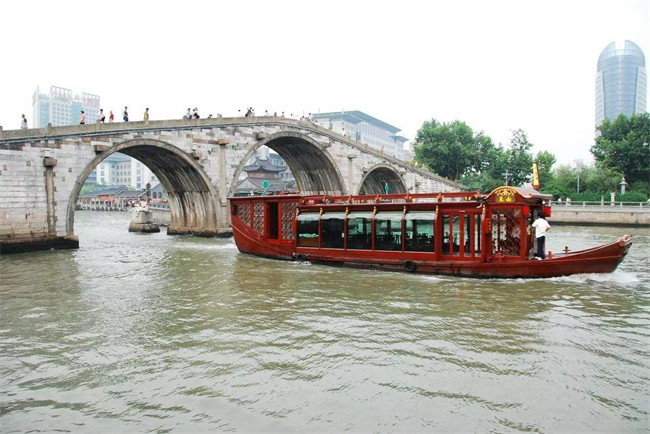
The Hangzhou Section of the Grand Canal runs from Tangxi Town in the north to the Qiantang River in the south, stretching for 39 kilometers. The unique eal scene of the canal is illustrated through the ancient town blocks, temples, the Jiangtang stream, museum group, wharfs, and arch bridges along the river bank. One cannot enjoy the nightscape of Gongchen Bridge until you arrive at Hangzhou. One cannot experience the life in the ancient town alley until you arrive at Hangzhou.
京杭大运河(杭州段)北起余杭塘栖,南至钱塘江,全长约39公里。沿岸古镇街区、寺庙唐宇、江塘溪水、博物馆群、码头拱桥描摹出杭城独有的运河实景。不到杭州,不知拱宸桥夜色。不到杭州,不知古街区里最后的运河人家。
West Lake Culture
西湖文化:
The beauty of Hangzhou lies in the West Lake. The West Lake thrives beside Hangzhou and Hangzhou is famous for the West Lake. It is known since ancient times, “There are thirty-six West Lakes in the world, among which the one in Hangzhou is the most beautiful”. The West Lake scenic area is one of the first National Key Scenic Spots announced by the State Council and it is one of the first National AAAAA Tourist Attractions. Surrounded by mountains and clouds on three sides, the lake holds clear blue water in the middle. On June 24, 2011, “Hangzhou West Lake Cultural Landscape” was listed in the UNESCO World Heritage List at the 35th World Heritage Conference. “Hangzhou West Lake Cultural Landscape” has six components: the natural mountains and waters of the West Lake distributed within 3322.88 hectares, the spatial characteristics of the city lake of “three sides of cloud mountain and one side of city”, the landscape pattern of “two embankments and three islands”, the “Ten Scenic spots of West Lake”, the cultural and historical sites around the West Lake, and the characteristic plants. The West Lake originated in the 9th century, transformed in the 13th century, flourished in the 18th century, and has become an integral part of the city today. The landscape has been perfected over more than ten centuries of continuous evolution. Finally, it stands as a “famous lake of oriental culture” which has diverse landscape elements, extremely unique design techniques, marked historical evolvements and rich cultural content. The lake is an outstanding example of landscape design under the Chinese landscape aesthetic theory of Chinese cultural elite adhering to the “Union of Heaven and Human” and “sentiment through landscape”. Exhibiting the artistic style of oriental landscape design that emphasizes “poetry and painting” since the Southern Song Dynasty (1127-1276), the lake holds an important position in the history of world landscape design. In addition, it stands as a witness to the development and inheritance of Chinese ancient and long-standing cultures and traditions, including Buddhism and Taoism, that have been handed down from history to the present.
杭州之美,美在西湖。西湖傍杭州而盛,杭州因西湖而名。自古以来,“天下西湖三十六,就中最美是杭州”,以西湖为中心的西湖景区,是国务院首批公布的国家重点风景名胜区,也是全国首批十大文明风景旅游区和国家AAAAA级旅游景区。她三面云山,中涵碧水,面积约60平方公里,其中湖面6.5平方公里。2011年6月24日,“杭州西湖文化景观”在第35届世界遗产大会上成功列入世界遗产名录。“杭州西湖文化景观”由分布于3322.88公顷范围内的西湖自然山水、“三面云山一面城”的城湖空间特征、“两堤三岛”景观格局、“西湖十景”题名景观、西湖文化史迹和西湖特色植物六大要素组成。肇始于9世纪、成形于13世纪、兴盛于18世纪、并传承发展至今。该景观在10个多世纪的持续演变中日臻完善,成为景观元素特别丰富、设计手法极为独特、历史发展特别悠久、文化含量特别厚重的“东方文化名湖”。她是中国历代文化精英秉承“天人合一”“寄情山水”的中国山水美学理论下景观设计的杰出典范,展现了东方景观设计自南宋以来讲求“诗情画意”的艺术风格,在世界景观设计史上拥有重要地位,为中国传衍至今的佛教文化、道教文化以及忠孝、隐逸、藏书、印学等中国古老悠久的文化与传统的发展与传承提供了特殊的见证。