
成为“孔子文化和旅游使者”,畅飨山东美食魅力
山东半岛位于渤海和黄海之间,气候温和,山川纵横,河湖交错,沃野千里,物产丰饶,粮食产量居中国第三位。山东蔬菜种类繁多,质量优良,如胶州大白菜、章丘大葱、苍山大蒜、莱芜生姜等都蜚声海内外。丰富的物产,为鲁菜系及当地特色饮食文化发展提供了取之不尽、用之不竭的原料资源。鲁菜是中国覆盖面最广的风味菜系,名列中国八大菜系之一。春节期间,欢迎各位朋友品味舌尖上的山东,畅飨山东美食魅力……
The Shandong Peninsula projects into the ocean between the Bohai and Yellow Seas. It has a warm climate and is traversed by mountains, rivers, and lakes. The vast expanse of fertile land yields a rich and diverse array of agricultural goods, which makes Shandong ranks third in the country in terms of the grain output. Moreover, Shandong produces vegetables of outstanding quality and international reputation, such as Chinese cabbage from Jiaozhou, scallions from Zhangqiu, garlic from Cangshan, and ginger from Laiwu, which serves as an endless source of ingredients for the local food. Shandong cuisine is the most widespread form of cooking in China and is known as one of China’s eight major styles of cooking. All are welcome to come and experience the charming flavor of Shandong during the Lunar New Year season!
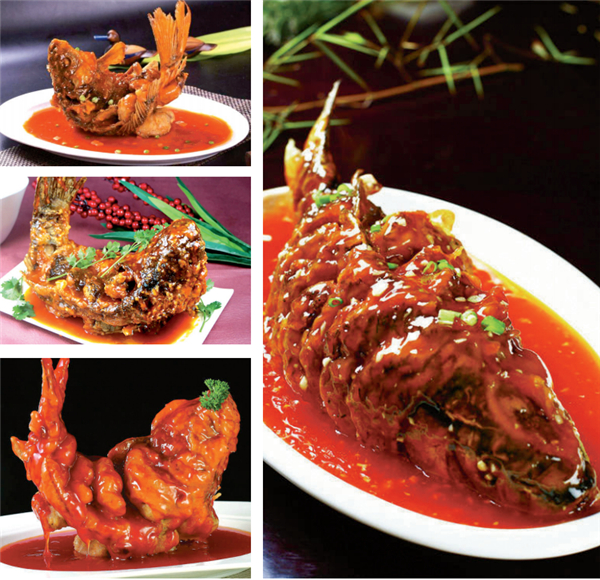
糖醋鲤鱼
鲁菜发端于春秋战国时的齐国和鲁国,形成于秦汉,讲究调味纯正,口味偏咸鲜,具有鲜、嫩、香、脆的特点。鲁菜的形成和发展与山东地区的文化历史、地理环境、经济条件和习俗尚好有关。《诗经》载:岂食其鱼,必河之鲤。据这些史料推测,说明早在3000多年以前,黄河鲤鱼就已经成为脍炙人口的名食了。而今糖醋鲤鱼仍然是鲁菜中的佼佼者,可见其源远流长。成菜后的糖醋鲤鱼色泽金黄、外焦内嫩,头尾翘起、造型优美、酸甜可口,香鲜味美。常吃鱼还有益智健脑、增强免疫力的作用。
Sweet and Sour Fried Carp
Shandong cuisine has its origin in the food of the Qi and Lu states of the Spring and Autumn period and the Warring States period (771 – 221 BCE). It was further developed during the Qin and Han dynasties (221 BCE – 220 CE) with particular attention given to the purity of the flavors. The mostly savory dishes are commonly known for being fresh, tender, fragrant, and crisp. The cuisine has developed in close relation to the culture, history, geography, economy, and customs of Shandong. The ancient Classic of Poetry reads, “If we are to eat fish, why not the carp from the Yellow River”, making apparent that Yellow River carp was a popular dish as early as over 3,000 years ago. To this day, sweet and sour fried carp is a favorite from the wide selection of Shandong cuisine. Once prepared, the fish has a golden hue with its tail sticking up. Crispy on the outside, tender on the inside, and tasty all around with sweet and sour notes, it is quite the delicacy. Moreover, eating fish frequently is good for the brain and the immune system.
葱烧海参
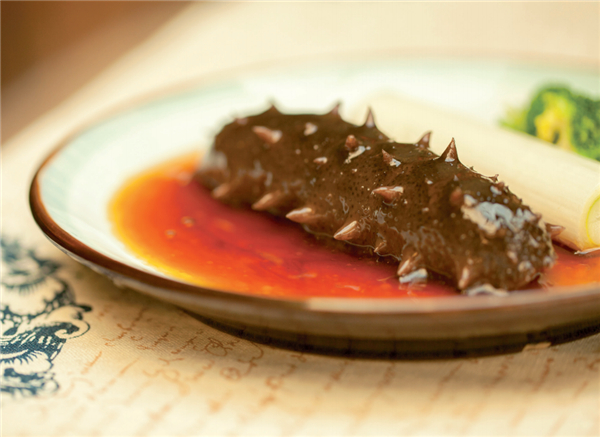
葱烧海参,是中华特色美食,鲁菜经典名菜。从山东源入,以水发海参和大葱为主料,海参清鲜,柔软香滑,葱段香浓,食后无余汁。是“古今八珍”之一,葱香味醇,营养丰富,滋肺补肾,为山海之邦的珍馐美馔。
Braised Sea Cucumbers with Scallions
Braised sea cucumbers with scallions is a famous part of Shandong cuisine and a special part of Chinese cuisine in general. The main ingredients are juicy sea cucumbers and scallions. The fresh, soft, smooth sea cucumbers and the richly flavored scallions make people unable to help but lick their plates clean! It is known as one of the “eight precious foods from ancient times.” Aside from the taste, the dish is full of nutrition and good for the lungs and kidneys, which makes it one of the best seafood choices in the region.
德州扒鸡
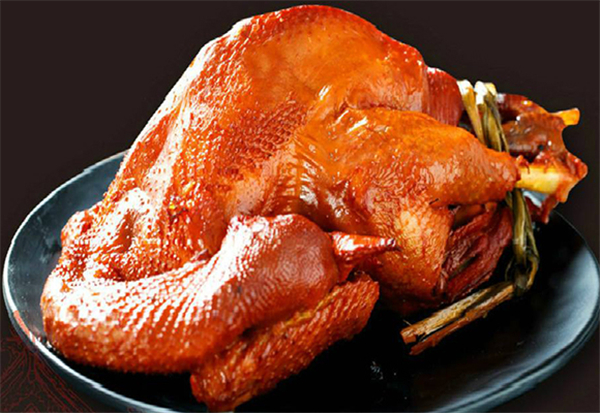
德州扒鸡是知名的的山东传统名吃,又称五香脱骨扒鸡,是德州三宝之一,常年占据中国高铁圈“C位”美食。德州扒鸡造型好看且颜色亮丽、肉质细嫩且味道醇香。一个扒鸡的制作需经过选择原料、清洗处理、浸泡造型、上色晾干、烧油炸制、入汤煮制、出锅成品等一系列的工艺过程。德州扒鸡曾被列入山东贡品送入皇室享用,被誉为“天下第一鸡”。
Dezhou Braised Chicken
Dezhou braised chicken is a traditional dish from Shandong that has gained nationwide fame. Also known as five-spiced boneless braised chicken, it is one of Dezhou’s “three treasures” and a major dish on the menus of China’s high-speed railways year-round. Beautiful just to look at, the meat is tender with a great taste. The process of making the dish is lengthy: the right chicken must be selected, slaughtered, defeathered, marinated with a certain type of sauce that gives its distinct color, hang-dried, fried, and cooked in broth. Having been paid as tribute to the emperor, it became known as the “greatest chicken dish in the world.”
淄博周村烧饼
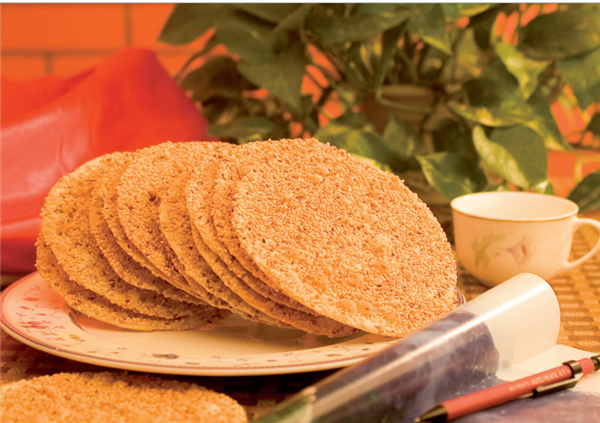
周村烧饼,是一道面食,因产于山东省淄博市周村区而得名,源于汉代,成于晚清,是山东省名优特产之一。以山东省传统工艺精工制作而成,为纯手工制品,有“酥、香、薄、脆”四大特点。其外形圆而色黄,正面贴满芝麻,背面酥孔罗列,薄似杨叶,酥脆异常。入口一嚼即碎,香满口腹,若失手落地,则会皆成碎片,俗称“山东瓜拉叶子烧饼”。
Zhoucun Sesame Seed Cakes
Zhoucun sesame seed cakes, named for their place of origin (Zhoucun District in Zibo City), are a wheat-flour delicacy which was first made in the Han dynasty (206 BCE – 220 CE) and evolved to their current form during the late Qing dynasty (1644 – 1911). They are now one of Shandong’s most famous foods. Thin, fragrant, brittle, and crisp, they are completely handmade in the traditional way. Round and yellow, each is full of sesame seeds on the top and full of holes at the bottom. Upon shattering with just a bit of pressure from the teeth, they fill your mouth with a fragrant flavor. They even break to pieces just by falling to the floor. They are also known as “guala-leaf sesame cakes.”
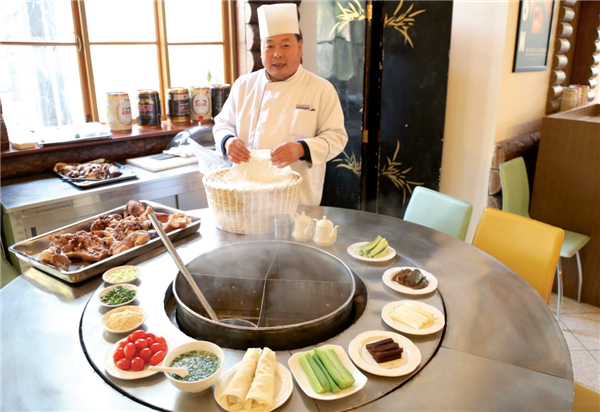
潍坊朝天锅
朝天锅是山东潍坊地区传统名吃,属鲁菜系。特色是以烙饼卷肉,食用时不需要锅具。起源于清代乾隆年间的民间早市,流传至今。潍坊朝天锅经过不断改进,于1997年分别被中国烹饪协会等认定为“中华名小吃”“山东名小吃”。2013年朝天锅制作技艺入选山东省级非遗名录。2014年山东十七地市代表菜评选活动揭晓,朝天锅代言潍坊菜。
Weifang Chaotianguo
Chaotianguo (“pot facing the sky”) is a traditional food from Weifang City, Shandong, whose ingredients are cooked in a lidless pot in the center of the table around which people are sitting. Once cooked, the ingredients may be eaten rolled up in thin pan-cooked pieces of unleavened flatbread, so no tableware is required. The dish first came about at morning markets during the Qianlong Emperor’s reign (1735 – 1796) and constantly evolved with time. In 1997, it was officially named a “famous snack of China” and a “famous snack of Shandong” by China Cuisine Association. In 2013, the cooking technique was entered onto the list of Shandong’s intangible heritage. The following year, the dish was named the representative from Weifang during the Representative Food Evaluation of 17 Cities in Shandong.
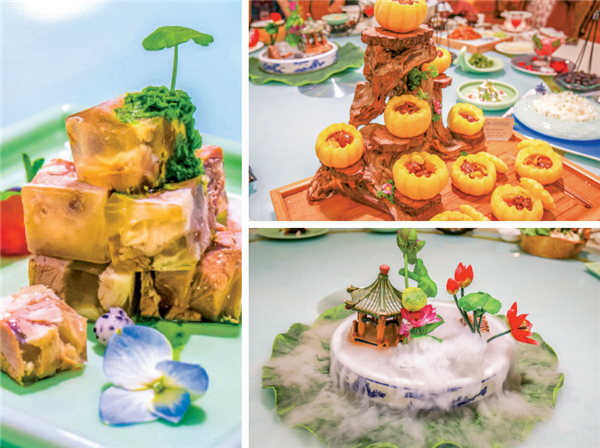
济南泉水宴
“泉水宴”通过创新传统鲁菜的方式体现济南独特的泉水文化,融泉韵、水韵、食韵于一体,更把美景、美味、美色相结合,制作出泉水系列菜品,为广大市民和游客提供了一个体验天下第一泉风景区泉文化的绝佳方式。
Jinan Spring Water Feast
The Jinan Spring Water Feast consists of traditional Shandong foods that have undergone a creative makeover to exhibit Jinan City’s unique natural spring culture. Integrating features of natural springs with food, a feast for the eyes as well as the taste buds has evolved, providing locals and tourists a great way to experience the world’s “best natural spring cultural and scenic area”—Jinan.
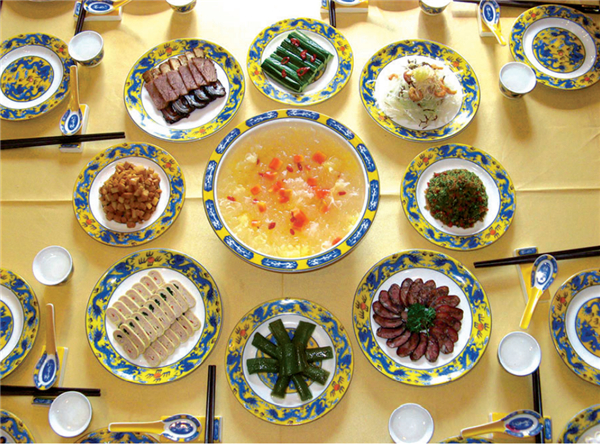
淄博四四席
四四席是淄博市博山地区的传统饮食习俗。作为近百年以来博山人士宴请宾客的一种菜肴规制,因它的许多优点而历久不衰,它又是博山地域文化在饮食方面的特色体现,所以不论餐馆雅席还是民间庖厨,人们都喜爱这种形式。所谓“四四席”一般就是按菜肴多寡分类的一种宴席,可供八人一桌聚餐的四平盘、四大件、四行件和四饭菜计十六品(重要宴席在正式饮酒之前尚有四干果、四点心、四鲜果及相配饮料之什)。
Zibo Sisixi
Sisixi (“four-plus-four seating”), a culinary tradition in the Boshan area of Zibo City, has been served by the locals to guests for nearly a century. It is also an embodiment of the culture there, so it is always well-received whether at a fancy banquet hall or common roadside restaurant. Basically, it is traditionally a feast for eight people (hence the name) of 16 dishes divided into four categories (at important events, before the wine is officially served, there are also four dishes of dried fruit, four desserts, four dishes of fresh fruit, and accompanying drinks).
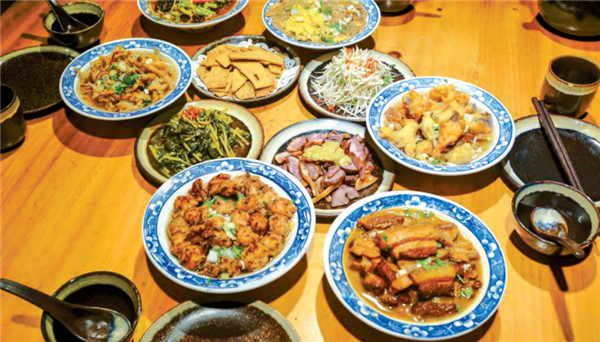
临沂八大碗
所谓“八大碗”,源于流水席,在物资匮乏的年代,多出现在传统婚丧嫁娶、社日等重要的场合,以显示主人待客标准之高。流水席采取聚众而餐、随来随吃、吃完即走的方式,来宾多为主人的亲属宾朋,因此,入席的先后顺序、餐桌上的座次排列很是讲究,席间吃饭也有许多的规矩。八大碗也就成了一桌与礼数密不可分的尚品佳肴。
Linyi Badawan
Badawan (“eight large bowls”) evolved from the tradition of liushuixi banquets, which, when resources were short, were traditionally large in scale and held outdoors (often on the roadside) for such major events as weddings, funerals, and days of sacrifice to the land gods. They were a way for hosts to show off how well they knew how to treat guests. People would come to the banquets when they desired (as opposed to arriving at a set time) and leave upon finishing. However, since the guests were mostly family and friends of the host, the order of taking seats and arrangement of seating were of particular importance, not to mention there was a great deal of protocol to be followed during the feast. Badawan is thus inseparable from Chinese etiquette.
苏轼曰“百事常随缘,饮食穷芳鲜”,对饮食的态度,决定了生活的温度。山东美食缤纷,每一处地域都隐藏着美味的诱惑。有些地域特产,但从字面上理解,已使人口舌生津、齿颊向往,眸中满溢着对美味的觊觎。孔府宴、烟台海鲜打卤面、胶东大饽饽、潍坊四喜丸子、淄博博山豆腐箱、枣庄辣子鸡……每一处地域美食,就是一缕最醇厚的烟火气息,纵使负了时光,也不可与它擦肩而过。
倘若要寻找惊喜、幸福,寻找那些只属于山东的独特味道,最好的方法,还是要深入街头巷陌,或许,在某个转角,某个小店,某个灯火阑珊的所在,你的味蕾便会迷乱,遭受一顿美味的饕餮“暴击”。春节来山东,更能感受日子的芳香与忙碌,体验这场盛大节日里散发出的醇香。
Su Dongpo wrote, “The many aspects of life are decided by fate, and one should be quite particular with diet.” Your attitude toward food determines the condition of your life. Shandong cuisine is quite varied as each region boasts its own delectable food. Some places have special products that, based on their names alone, will stir up your appetite and cause your mouth to water. Foods from all around Shandong, such as the Confucius Mansion Feast, Yantai seafood dalu noodles, Jiaodong steamed buns, Weifang four-joy meatballs, Zibo tofu box, and Zaozhuang spicy chicken, are like an array of fireworks that you simply should not miss out on no matter how much time it takes you to find them.
The best way to search out the great culinary surprises Shandong has on offer is to explore the streets and alleys, where, at some little corner shop under a dim streetlight, your taste buds could be utterly floored by an amazing discovery. And your foodie experience will definitely be heightened if you come to Shandong during the bustling Lunar New Year season!
我们期待在“孔子家乡•好客山东”与你相遇!
We look forward to meeting you in Shandong.
山东省文化和旅游厅
Shandong Provincial Department of Culture and Tourism
汉语桥俱乐部APP

关注俱乐部

